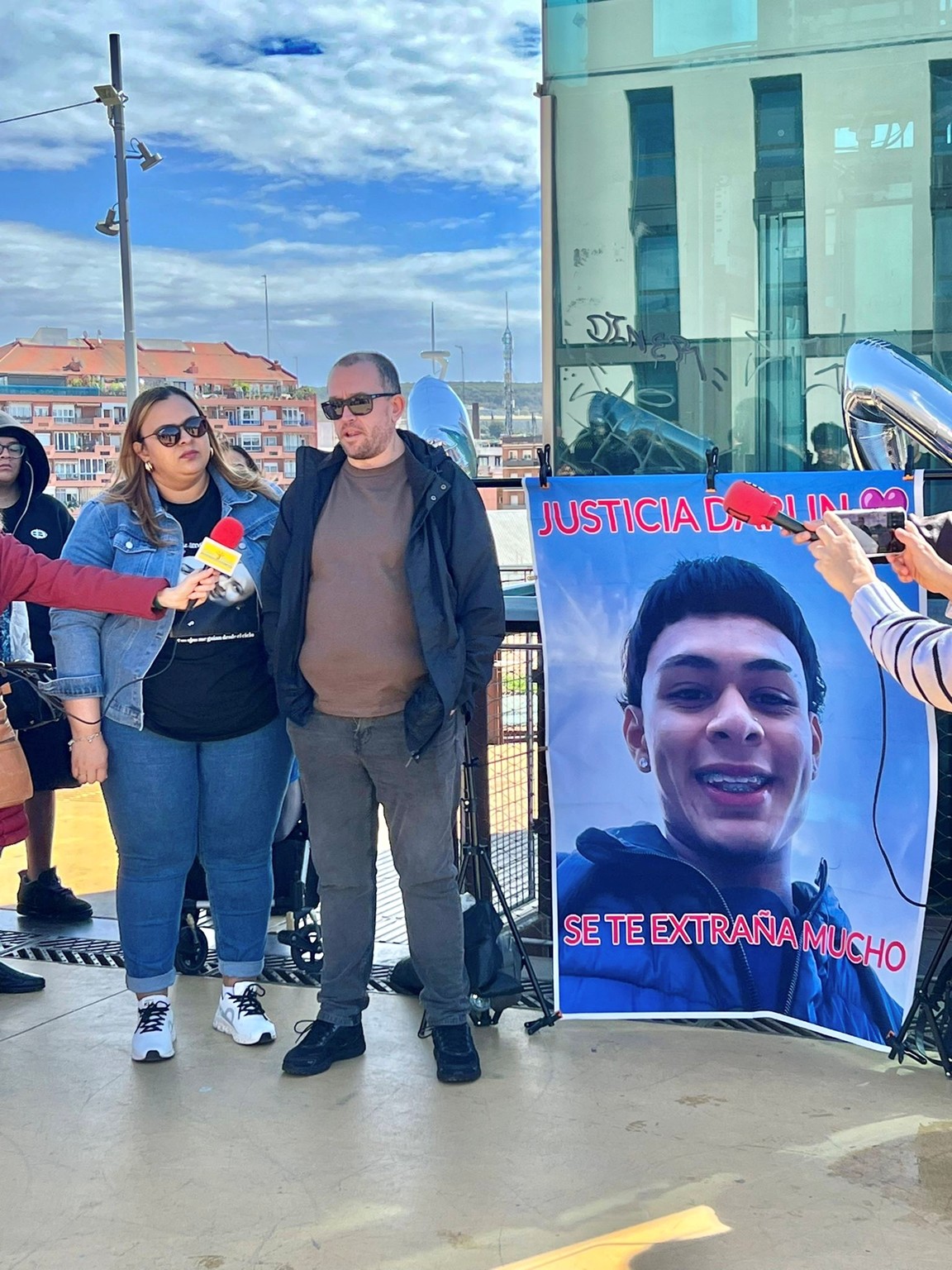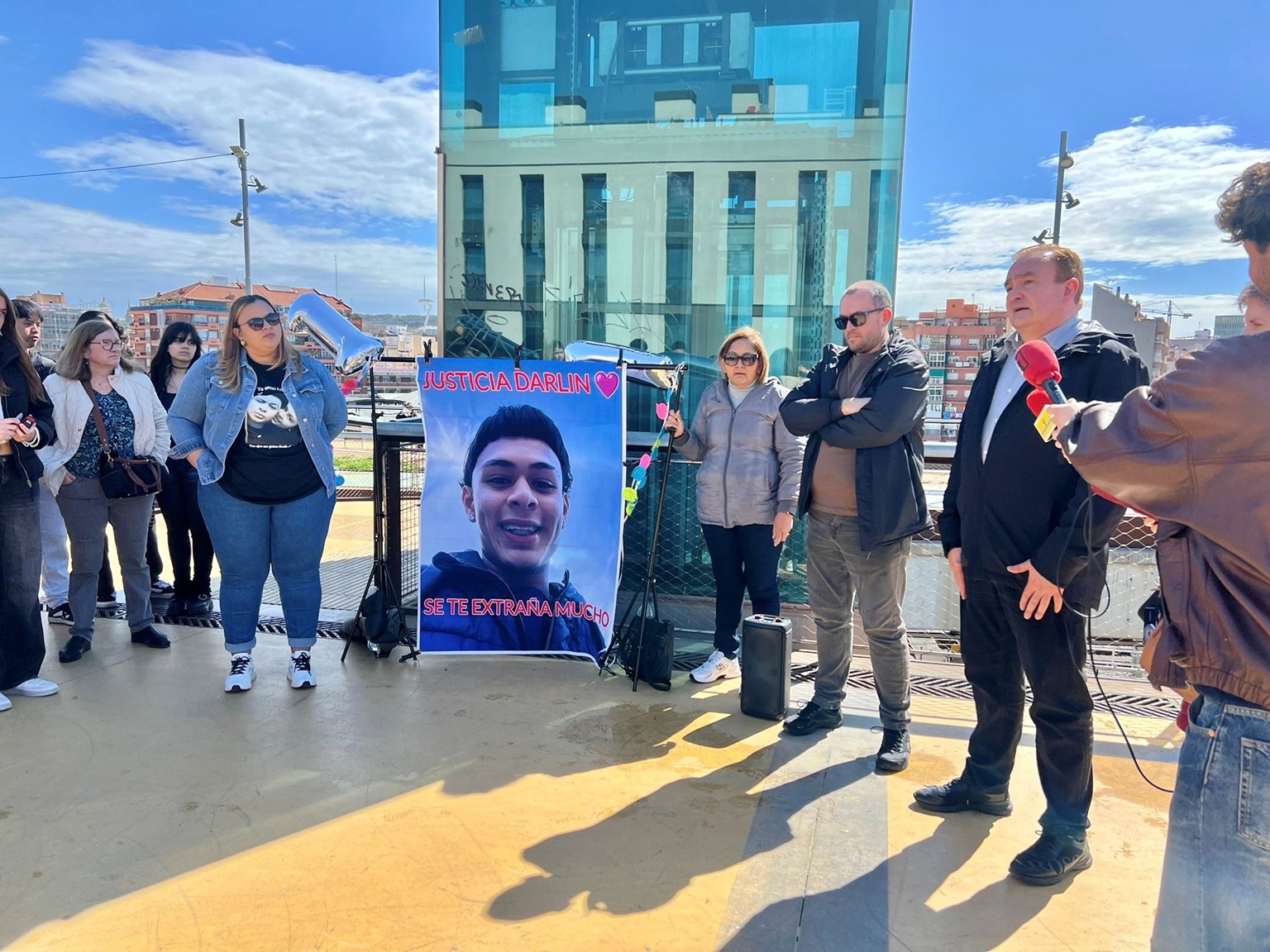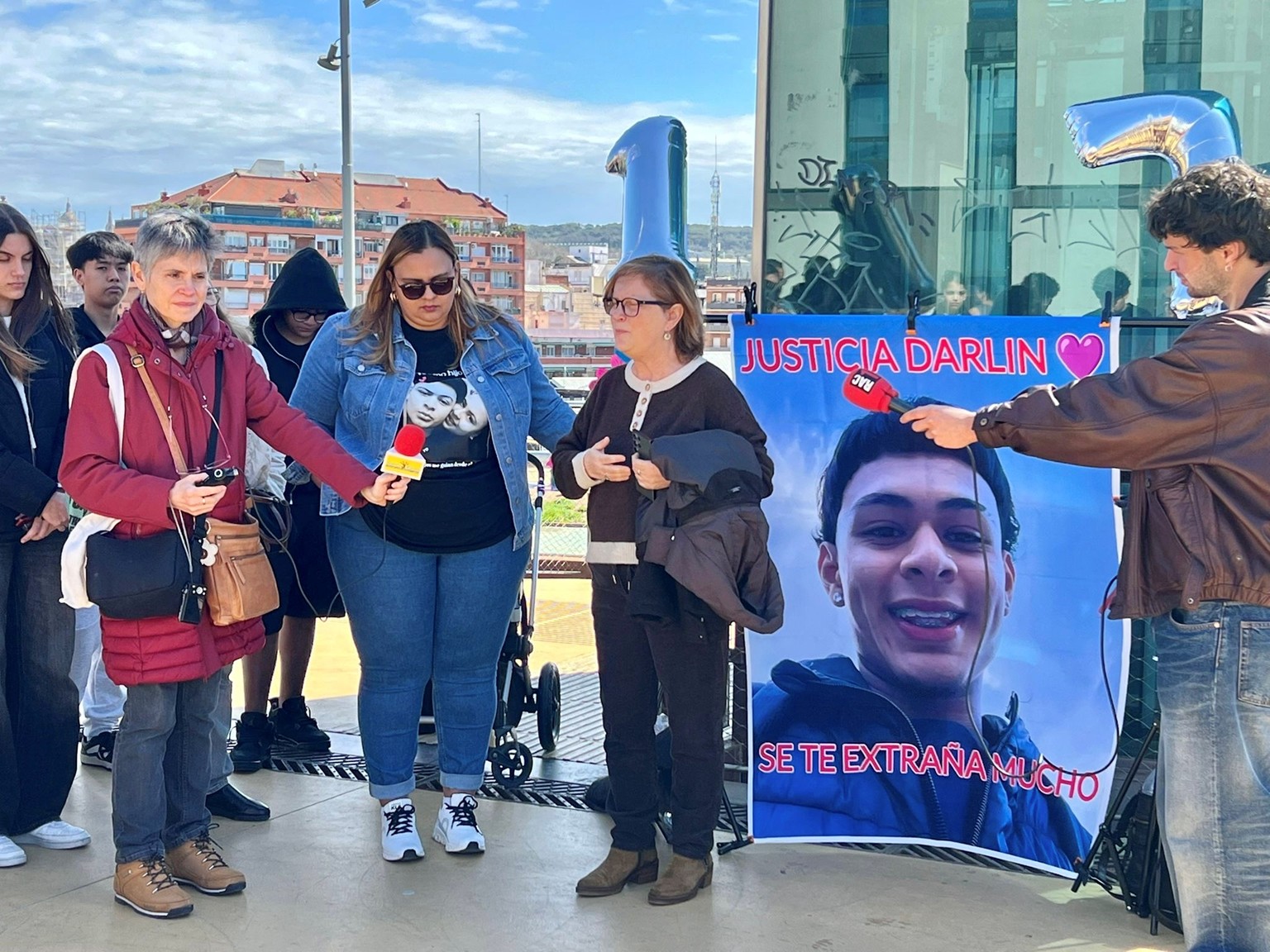

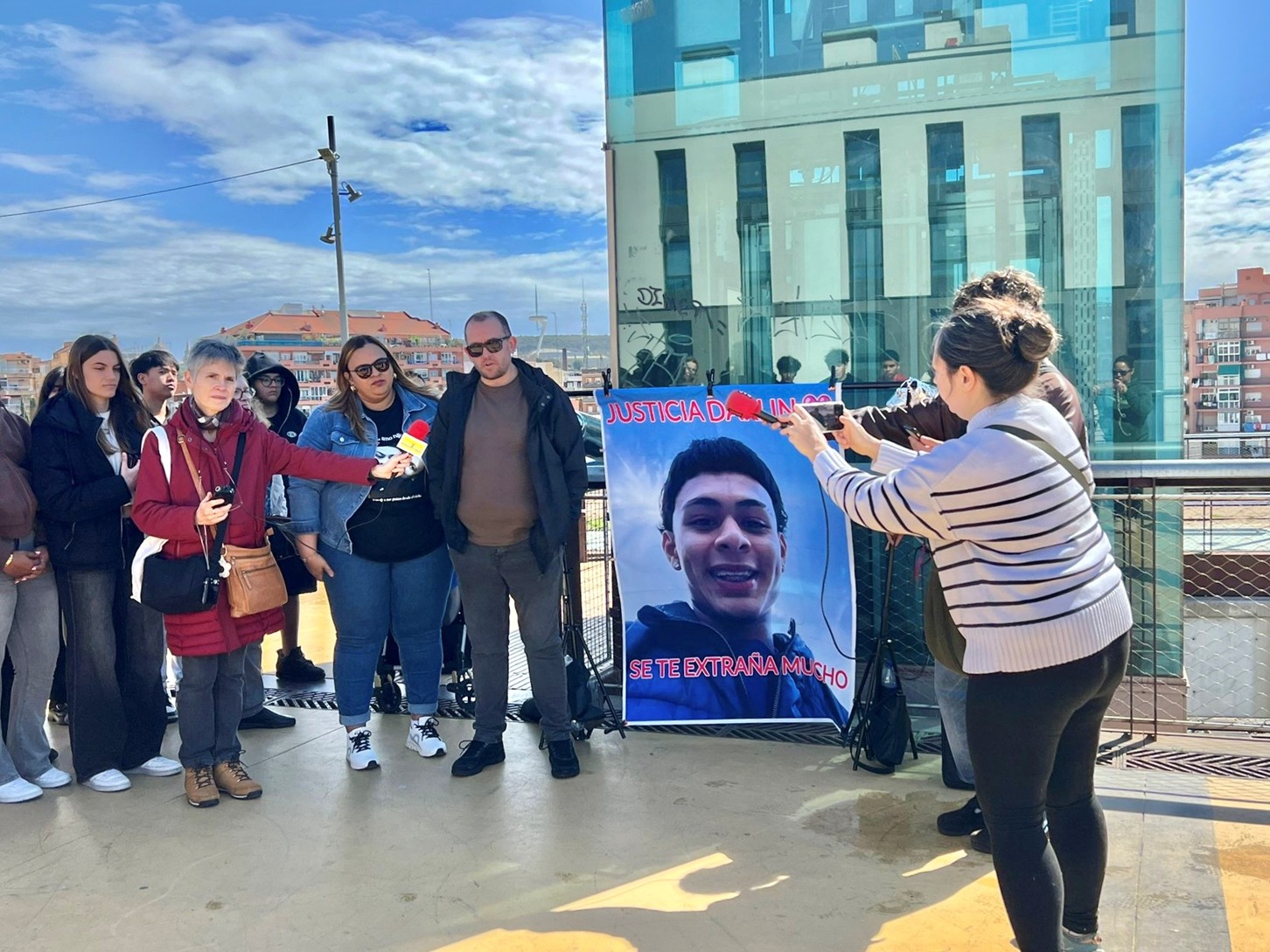
10 Aug ONE YEAR AFTER THE DEATH OF DARLIN CANALES
ONE YEAR AFTER THE DEATH OF DARLIN CANALES: SAFETY, COMMUNITY COEXISTENCE AND COMMUNITY MEDIATION IN OUR NEIGHBOURHOODS
Next September will mark one year since the death of Darlin Canales, a minor and resident of Plaça de la Farga, in Barcelona’s La Bordeta neighbourhood, who died after being stabbed in the Calaix de Sants, in the Badal neighbourhood.
At the time, I had the opportunity to write about Darlin on this blog and to interview his father. Now, as we approach the first anniversary of such a painful event, I believe this is a good moment to remember him once again, but also to ask ourselves a question that goes far beyond one particular case: what can we do to build safer, more cohesive neighbourhoods that are better able to prevent conflicts before they escalate?
The answer is not simple, because safety and coexistence in our neighbourhoods depend on many different factors. We clearly need police resources, prevention and an effective response to criminal behaviour. However, our daily experience in our neighbourhoods also shows us that safety is closely connected to the care of public spaces, education, conflict prevention, community work, citizen participation and the existence of permanent channels of dialogue between residents, organisations and public authorities.
It is precisely within this broader perspective that I believe community mediation, conflict prevention and restorative practices can also make an important contribution.
Coexistence in our neighbourhoods is also a form of prevention
When we talk about public safety, we naturally think about the police, surveillance and crime prevention. All of these are necessary, but the reality of a neighbourhood is much more complex, and there are numerous factors that influence both objective safety and the way people perceive the places where they live.
A poorly lit square, a neglected public space, recurring conflicts over noise, antisocial behaviour, tensions between different groups, problems arising from certain uses of public space or a lack of communication between residents and public authorities can gradually create a feeling of neglect and a deterioration in community coexistence.
Not all of these problems are policing matters and, precisely for that reason, they cannot be resolved exclusively through police intervention. Preventing community conflicts requires a broader perspective that combines safety, urban planning, education, social services, citizen participation, community work and mechanisms for dialogue and mediation.
Coexistence is built every day and often begins with apparently minor issues. Some conflicts that eventually become seriously deteriorated began as much simpler problems that were not identified in time, were not addressed appropriately or did not find a suitable space where the people involved could talk and seek solutions.
Community mediation in Barcelona: intervening before conflict deteriorates
Community mediation can be particularly useful in conflicts related to neighbourhood coexistence, the shared use of public spaces, noise, certain commercial activities, intercultural relations, homeowners’ associations, intergenerational relationships or tensions that may arise between different groups sharing the same neighbourhood.
It is important, however, to be very clear about its limits. Mediation does not replace the police, the courts or public authorities. When a crime, a situation involving violence or a risk to individuals exists, the competent authorities must intervene.
However, between completely peaceful coexistence and criminal behaviour there is a very broad space in which we can work. It is precisely here that community and neighbourhood conflict mediation can help restore communication, identify needs and interests, reduce tensions, seek agreements and, in certain cases, prevent a conflict from continuing to escalate.
A good coexistence policy should also be capable of acting during these early stages, rather than intervening only once a problem has already developed into a serious situation. Preventing a conflict does not mean concealing it or avoiding talking about it. Very often, it means exactly the opposite: identifying it, acknowledging it and creating the necessary conditions to address it before it deteriorates.
Restorative practices, prevention and community
Alongside community mediation, restorative practices offer a particularly interesting perspective for improving coexistence. Their purpose is not simply to determine who is right and who is wrong, but to work on relationships, encourage people to take responsibility, understand how certain behaviours affect others and, whenever possible, rebuild relationships within a community.
In a neighbourhood, this perspective can be particularly valuable because a community is not made up solely of streets, buildings and squares. It consists of people who share spaces and who need to find ways of living together: residents, young people, older people, shopkeepers, associations, educational institutions, public services, police forces, social professionals and public authorities.
They all form part of the same community ecosystem. When there is communication, trust and effective channels for dialogue, certain problems can be identified and addressed earlier. When that communication disappears or the different parties stop listening to one another, it becomes much easier for conflicts to become entrenched and for small tensions to develop into coexistence problems that are far more difficult to manage.
For this reason, restorative practices and community mediation should not be regarded solely as tools to be used once a conflict has already occurred. They can also form part of a culture of prevention, dialogue, shared responsibility and care for relationships within our neighbourhoods.
Citizen participation: residents must also be part of the solutions
There is another element that I consider fundamental to improving coexistence and preventing conflicts: citizen participation.
Neighbourhood associations have first-hand knowledge of many of the situations that occur every day in our communities. We receive complaints, proposals, concerns and also ideas from people who live in the streets and squares about which decisions will later have to be made. This local knowledge can be extremely valuable when appropriate mechanisms exist to communicate it to public authorities.
For this reason, I believe it is important to maintain permanent channels of dialogue between public authorities, neighbourhood organisations and the wider network of associations within the community. Citizen participation should not be understood solely as the possibility of protesting when a problem arises. Participation also means listening, proposing, engaging in dialogue, collaborating and building solutions together.
In this context, through the Associació de Veïns i Veïnes de la Plaça de la Farga, we have launched a petition that has already received more than 300 signatures, supporting a range of proposals aimed at improving safety and coexistence in our neighbourhoods.
The measures proposed include improving lighting in areas with poor visibility, strengthening police presence and local foot patrols, restoring forms of supervision in squares and public spaces, increasing the presence of neighbourhood educators, considering video surveillance systems in particularly sensitive locations and assessing urban planning measures that could help prevent situations of risk.
Beyond the specific number of signatures collected, this initiative expresses something that I consider particularly important: the willingness of many people to participate, put forward proposals and actively contribute to improving the place where they live. Citizen participation can also be a valuable tool for prevention and for building stronger community coexistence.
Barcelona and L’Hospitalet: community conflicts do not recognise administrative boundaries
The Calaix de Sants, in the Badal neighbourhood, where the attack that ultimately took Darlin’s life occurred, is located in an urban area close to L’Hospitalet de Llobregat. This also invites us to reflect on a metropolitan reality that we sometimes overlook: neighbourhoods and coexistence problems do not necessarily end where an administrative boundary appears on a map.
People move continuously between Barcelona and L’Hospitalet to study, work, shop, practise sport, use public transport, meet friends or simply go about their daily lives. In many areas, the two municipalities form part of a closely interconnected urban reality.
For this reason, it is also interesting to consider experiences of community mediation in L’Hospitalet de Llobregat, together with initiatives involving coexistence, conflict prevention and community work developed in municipalities throughout the Barcelona metropolitan area.
Community and neighbourhood conflicts do not pay much attention to municipal boundaries. Particularly in areas where neighbourhoods belonging to different municipalities meet, coordination between public authorities, public services, professionals, organisations and citizens can therefore become even more important.
Metropolitan coexistence also requires the ability to share experiences, learn from approaches that work in other areas and develop conflict prevention and resolution policies that take into account the everyday reality of the people who live there.
Safety, coexistence and mediation: we need complementary responses
In recent weeks, we have also received some positive news: during August, the number of Mossos d’Esquadra officers in the Sants-Montjuïc district is expected to be increased. In response to the reported rise in thefts, a greater police presence can contribute to improving both actual safety and residents’ perception of safety.
However, I believe it would be a mistake to frame this debate as a choice between policing and mediation, surveillance and education, or safety and citizen participation. These are not incompatible alternatives, but rather different and complementary responses to different problems.
We need police intervention when a situation requires police action, and social and educational professionals when circumstances require that type of intervention. At the same time, we need well-maintained public spaces, urban planning that encourages coexistence, active associations and citizens who have channels through which they can participate in decisions affecting their surroundings. We also need community mediation, dialogue and restorative practices when conflicts can still be addressed through communication, prevention and the search for shared solutions.
One of the keys to improving safety and coexistence in our neighbourhoods is probably learning to use each tool at the appropriate time, coordinating resources and avoiding waiting until problems have reached a level of deterioration that makes them much more difficult to resolve.
One year later: remembering also means learning
When the first anniversary of Darlin’s death arrives, it will inevitably make us think again about what happened, particularly his family and those who knew him, but also a neighbourhood that experienced the event with profound sadness.
We cannot change what happened, but we can ask ourselves what we have learned and what we can do from now on. We can improve our public spaces and strengthen prevention, listen more closely to young people, encourage a greater presence of professionals in our streets and squares, improve coordination between public authorities and create better channels for citizen participation. We can also intervene earlier when problems involving coexistence and community conflicts begin to emerge.
Mediation cannot resolve every problem in a city, and to claim otherwise would be to misunderstand its own limitations. Nevertheless, community mediation, conflict prevention, dialogue and restorative practices can contribute to building communities with a greater capacity to manage differences, address conflicts and respond before certain situations deteriorate.
After many years of involvement both in mediation and in the neighbourhood movement, I am increasingly convinced of one simple idea: coexistence is not built only when a conflict arises; it is built long before that, through everyday relationships, through caring for shared spaces, through our ability to listen to one another and through our willingness to address problems while there is still time to find solutions.
Remembering Darlin can also mean this. It means asking ourselves, each from our own position of responsibility, what we can do to build safer, more cohesive and more participatory neighbourhoods with better coexistence for everyone, and continuing to work together to achieve it.
More information about the neighbourhood initiative
The Associació de Veïns i Veïnes de la Plaça de la Farga is continuing its petition to promote improvements related to safety and coexistence. The initiative has already received the support of more than 300 people and will continue over the coming weeks as the first anniversary of Darlin’s death approaches.
More information about the initiative and the remembrance of Darlin can be found in this article published by the Association:
https://www.avplacafarga.cat/en-record-de-darlin-menjady-i-per-la-seguretat-del-nostre-veinat/
Community mediation, neighbourhood conflicts and restorative practices
If you would like to make an enquiry regarding community mediation in Barcelona, neighbourhood conflicts, coexistence in local communities, mediation in homeowners’ associations, conflict prevention and resolution, restorative practices or community participation, you can contact me:
Daniel Sererols Villalón
Conflict Mediator · Lawyer
Barcelona
📞 Tel. 661 463 306
✉️ Email: daniel@mediadorconflictos.com