
22 Nov Interview with Xavi Verdejo Peris: What Do Companies Really Look for When Hiring?
Interview with Xavi Verdejo Peris: What Do Companies Really Look for When Hiring?
A conversation about CVs, job interviews, emerging soft skills, attitude, and the experience of teaching together at La Salle Gràcia in Barcelona.
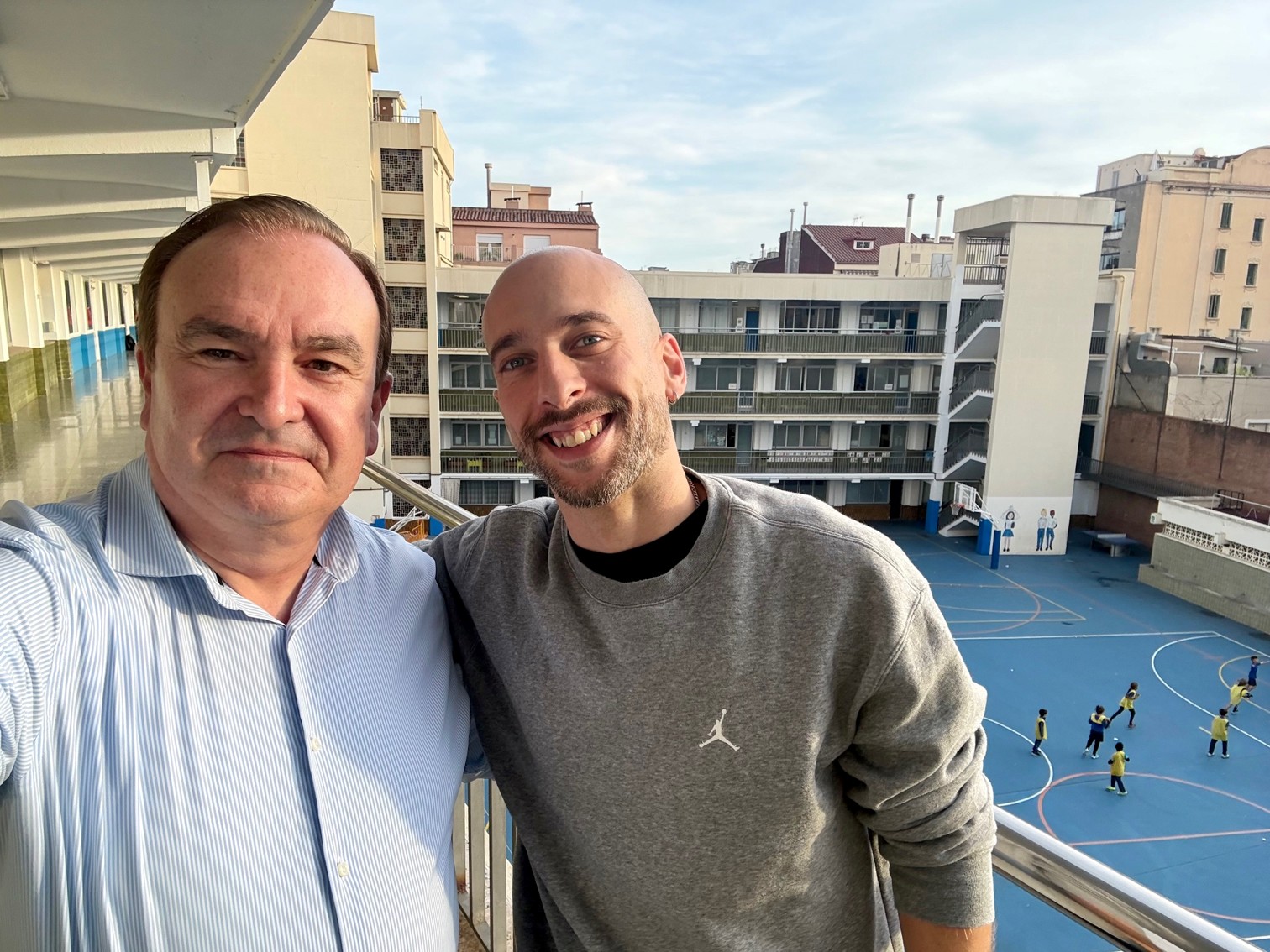
There are people you work with for a relatively short period of time who nevertheless leave you with ideas and experiences worth remembering. This is the case with Xavi Verdejo Peris, with whom I have had the opportunity to share several afternoons of teaching at La Salle Gràcia in Barcelona.
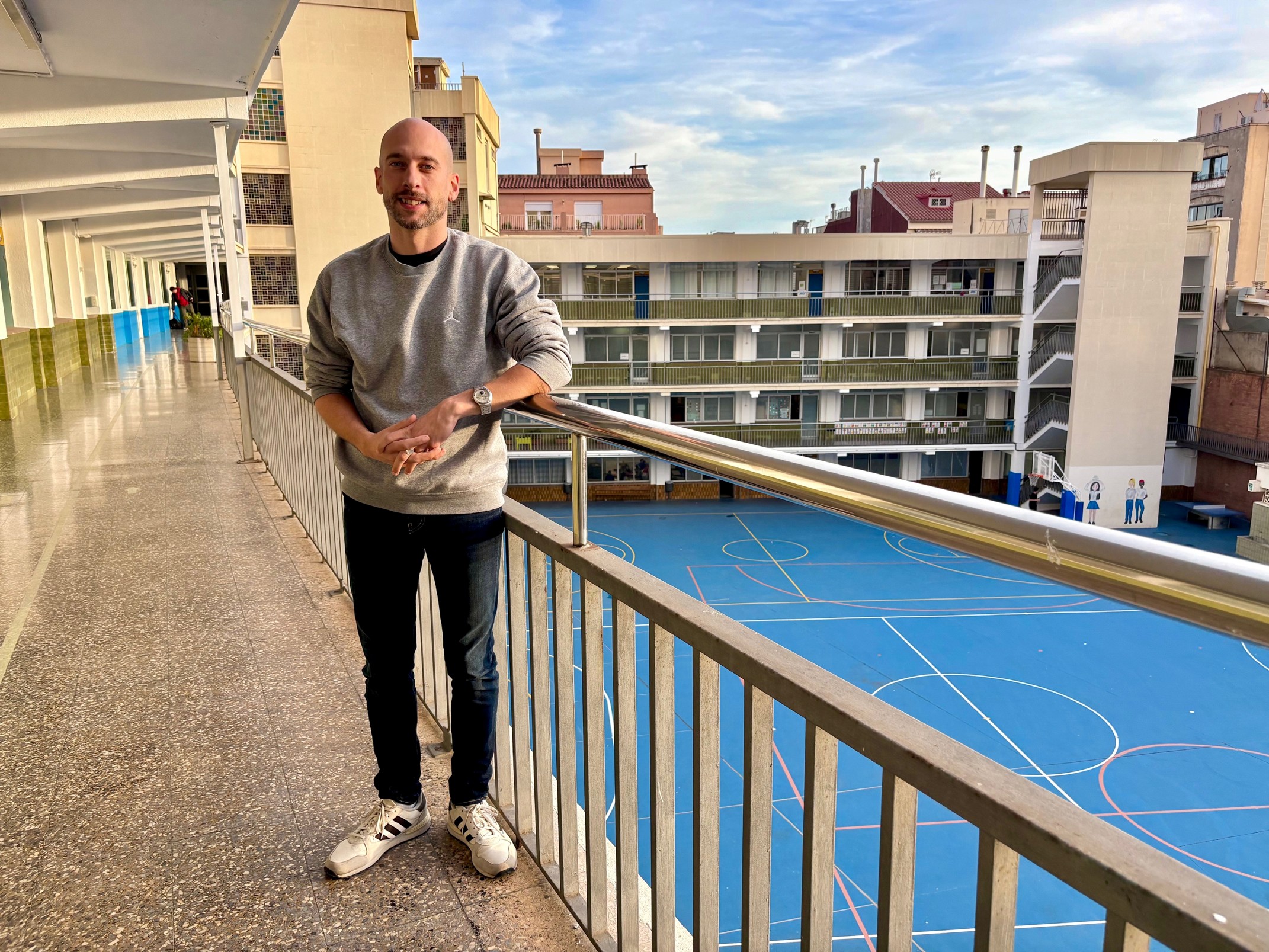
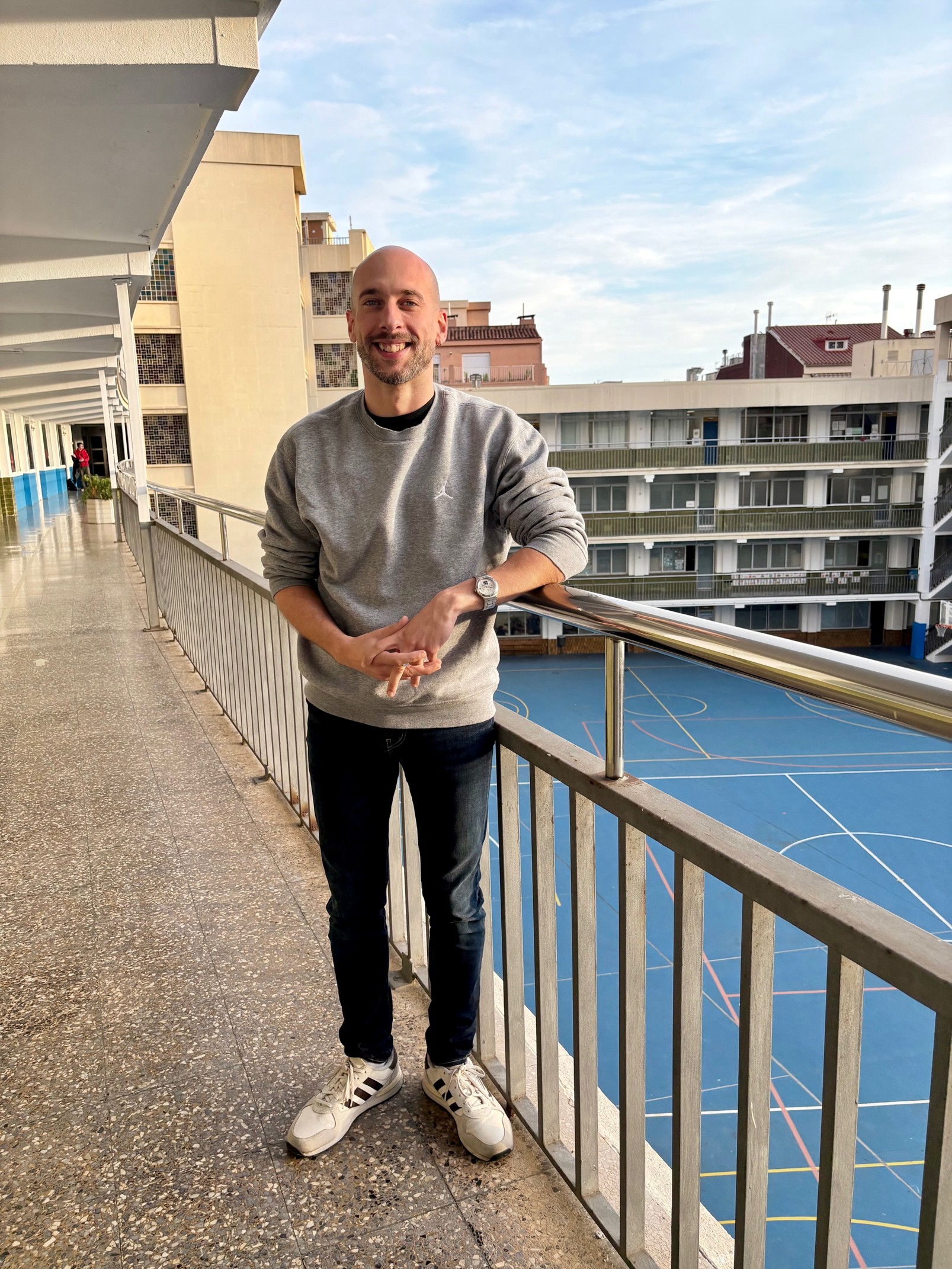
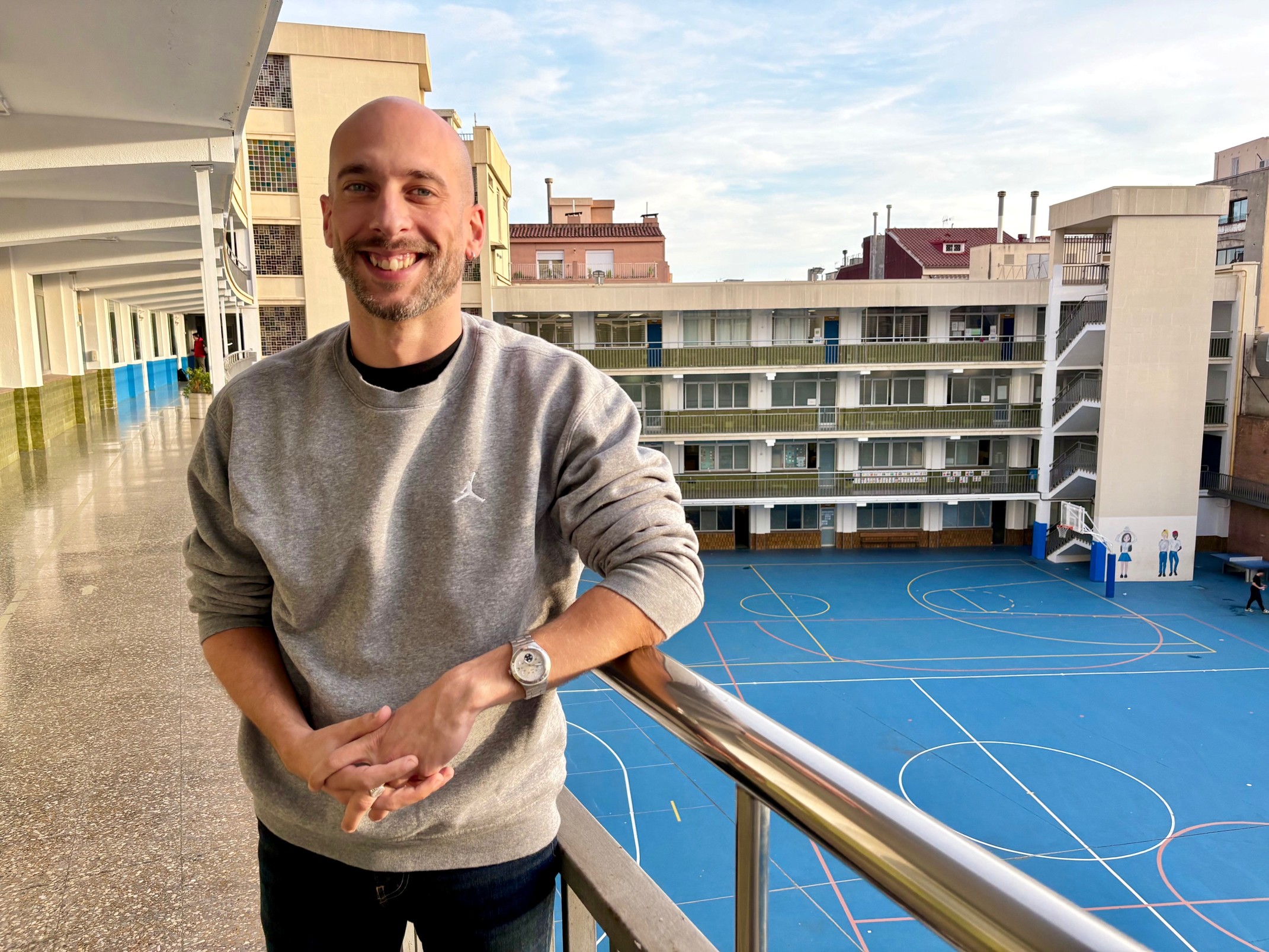
Our encounters have taken place in Plaça del Nord, in the heart of the Gràcia neighbourhood, in the charming and distinctive building that houses the school. We have always met in the afternoons, often as the sun was beginning to set, teaching classes together, exchanging experiences, and talking about our students and their professional futures.
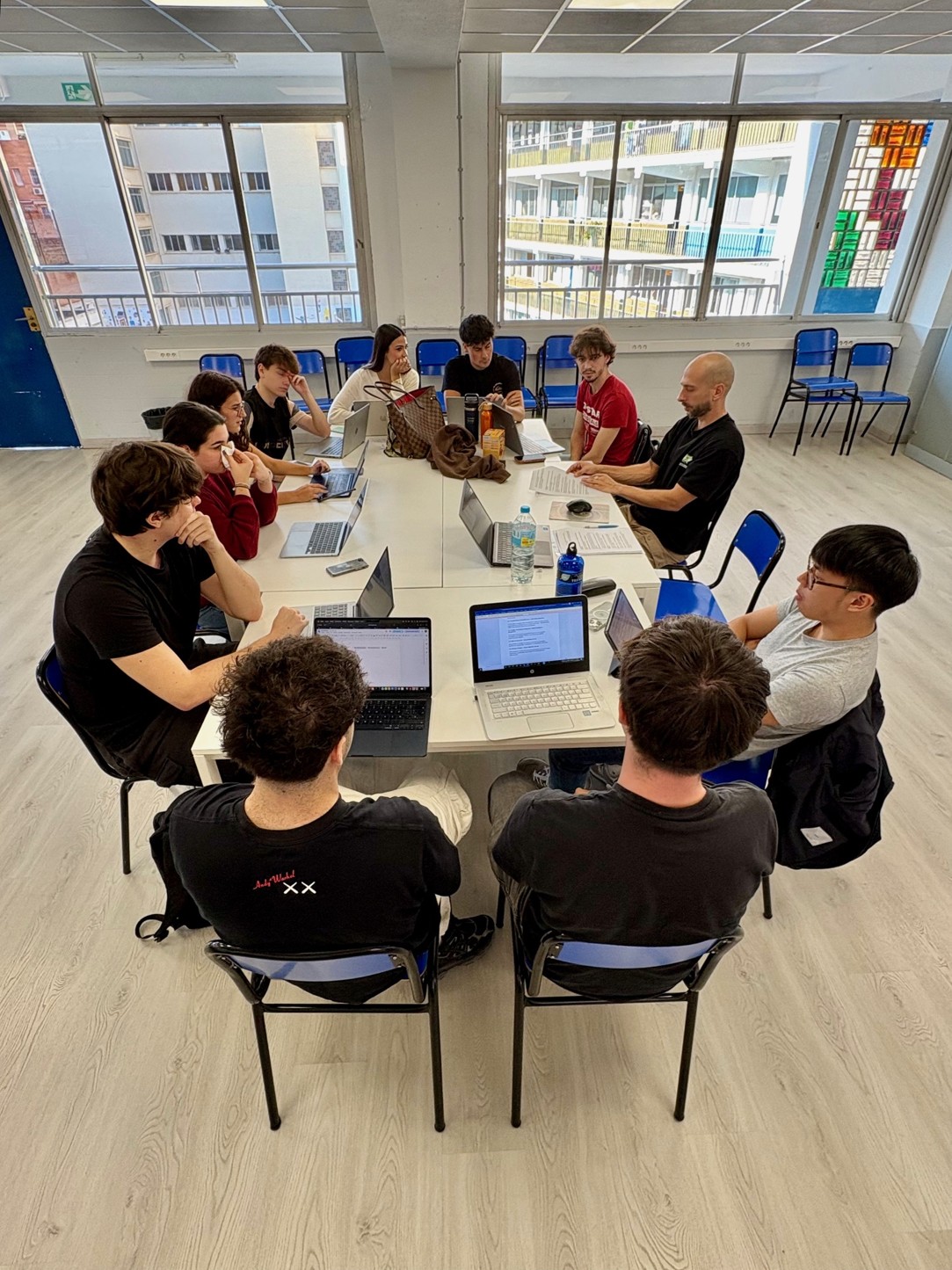
We have taught together in International Trade and Sales and Negotiation Techniques classes. We have also shared some very interesting experiences with students, particularly during the International Trade project and several simulations of board of directors’ meetings. I remember one of those sessions when the students played their roles so convincingly that, at times, I felt I was attending a real business meeting rather than sitting in a classroom.
Xavi has a professional background in recruitment and is currently studying for a master’s degree to develop his career in teaching as well. I have found his experience particularly interesting, especially because he knows first-hand what companies value when selecting candidates.
Over the past few weeks, at La Salle Gràcia, we have been actively looking for companies where students enrolled in higher-level vocational education programmes can complete their work placements. This is something I am closely involved in, both as a teacher of the Personal Pathway to Employability module (IPO) and in my role as a company placement tutor.
It is precisely in this context that Xavi and I have often found ourselves discussing CVs, job interviews, recruitment processes and, above all, the attitudes that employers value in candidates. We have even had the opportunity to review the CVs of several students taking part in recruitment processes, with positive results for some of their applications.
I have long believed that, when hiring someone, companies do not focus exclusively on qualifications. Naturally, education and knowledge are important, but I believe that attitude can be just as decisive, or even more so, depending on the position. A willingness to learn, a sense of responsibility, initiative, curiosity and the ability to overcome difficulties can make an enormous difference.
This is an issue that particularly concerns and interests me. As a teacher and company placement tutor, I have the opportunity to work with students who have very different abilities and to see how a positive attitude can open up professional opportunities. That is why I enjoy listening to people who understand recruitment processes from the inside and learning from anything that can help us guide students more effectively, especially those who are eager to progress, learn and improve themselves.
Alongside teaching, I work as a lawyer and conflict mediator. Perhaps that is why I attach so much importance to interpersonal skills. Knowing how to listen, communicate, manage difficult situations and understand different points of view are abilities closely linked to mediation, but also to education and any professional environment.
Now that Xavi is completing his teaching placement at La Salle Gràcia, it seemed like a good opportunity to talk with him about all these matters, learn more about his experience and share some reflections that may be useful to both students and employers.
Interview with Xavi Verdejo Peris
1. Xavi, to begin with, tell us about your professional background. How did you get into recruitment, and what has now led you to become interested in teaching?
The truth is that two aspects of recruitment have always appealed to me: working with people and business management. I believe that human capital is a determining factor in the success of any organisation, and the possibility of making a positive contribution in this field was my main motivation.
Unfortunately, this sector is often more demanding and less humane than one might imagine. In fact, experiencing a certain lack of empathy and values in particular situations led me to consider other career paths.
As I have always enjoyed working with young people and sharing knowledge, I followed the advice of my sister-in-law, who is a secondary school teacher, and decided to pursue a career in education.
2. One of the things that has struck me most is the number of CVs you have reviewed. Would you dare to estimate how many you have seen throughout your career? And after reviewing so many, what is the first thing that catches your attention in an application?
I could not give an exact figure, as it depends on numerous factors, particularly the sector and the professional profile being sought. For positions requiring few qualifications in Barcelona, it is not unusual to receive between 200 and 500 applications in less than a week.
The working conditions offered must also be taken into account. For example, a vacancy that allows employees to work partly or entirely remotely can considerably increase the number of interested applicants.
When reviewing CVs, the first thing I usually look at is the overall coherence of the document: the clarity of its design, the structure of the information and the relevance of its contents to the position being applied for.
3. We are currently looking for companies where our students can complete their work placements. Many of them are facing a recruitment process for the first time. What would you recommend to help them prepare a good CV, and what mistakes should they avoid?
My first recommendation is to create an authentic and personal CV, using artificial intelligence as a supporting tool rather than as a substitute for one’s own judgement.
It is important to understand that this document should faithfully reflect each candidate’s personality, skills and experience, as it will form the basis of the subsequent interview.
It is equally essential to tailor the CV to each job opportunity. Small details, such as incorporating visual elements that are consistent with the company’s corporate identity, can convey greater interest and preparation.
It is also advisable to remove information that adds no value to the particular position. For example, experience as a school lunch supervisor may not be relevant when applying for a specialist payroll management position.
4. We have also helped some students prepare for job interviews. When a company interviews a young candidate with limited experience, what does it usually value most?
I believe the most important thing is to demonstrate maturity. Young people are often unfairly associated with a lower level of commitment, responsibility or perseverance.
For this reason, candidates who manage to convey professionalism and seriousness from the very beginning tend to stand out positively.
5. Nowadays, many candidates use artificial intelligence to prepare their CVs or for job interviews. Do you think it is a useful tool? How can they benefit from it without losing their authenticity or giving up thinking for themselves?
As I mentioned earlier, artificial intelligence should be used with sound judgement and responsibility. It is an extraordinarily useful tool for improving the quality of work and optimising processes.
When looking for a job, it can help improve the wording of a CV, identify unnecessary repetition, correct spelling mistakes or suggest alternative ways of expressing particular skills.
When it comes to recruitment interviews, it can also become a very valuable ally. With the right instructions, it is possible to simulate professional interviews and practise answers to questions very similar to those likely to arise during a real recruitment process.
6. Recently, there has been increasing discussion about emerging soft skills, competencies that are becoming more important in a rapidly changing labour market. I am referring, for example, to critical thinking, digital collaboration, the ability to manage uncertainty and ethical judgement, particularly when using artificial intelligence. Do you think companies already take these new competencies into account when recruiting? And how can young people with limited work experience demonstrate them?
Companies that want to remain competitive need to identify professionals who can adapt to the changing demands of the labour market.
In this context, so-called soft skills, or transferable skills, are becoming increasingly important in recruitment processes.
In fact, it is becoming more common to include group activities, situational assessments, practical exercises and activities involving artificial intelligence in order to assess whether candidates possess these skills, placing greater value on demonstrated abilities than on previous work experience.
7. There is one subject that you and I have discussed quite often: attitude. Personally, I am convinced that a positive attitude can ultimately carry as much weight as, or even more than, a qualification. Having participated in recruitment processes, how do you see it? What attitudes can encourage a company to choose a particular candidate?
For me, attitude is a clear distinguishing factor. What matters is not so much what a person claims to be capable of doing, but the potential they are able to convey.
Self-confidence, good manners, a willingness to learn and respect for others are qualities that tend to create a very favourable impression in any recruitment process.
8. Xavi, there is an issue that particularly concerns me as a teacher: the lack of concentration among some students. Obviously, there are students who follow classes with great interest, but there are also groups who struggle to maintain their attention for more than a few minutes. They become easily distracted, talk among themselves and often find it difficult to follow the lesson. Personally, I try to make classes as interesting and participatory as possible because I would like everyone to remain engaged and make the most of a course of study they have chosen voluntarily. How do you see this situation? Do you think it is a question of habits, attitude, the way we learn today or a combination of different factors? And to what extent might these difficulties with concentration affect their future entry into the labour market?
I believe the gap between generations tends to widen progressively. Ways of thinking, values and expectations change significantly with age, which can make it more difficult to connect with students and identify what motivates them.
Furthermore, an issue increasingly discussed among human resources professionals is the dependence many young people have on mobile devices.
I believe this digital dependence affects attention, concentration and the ability to work consistently over extended periods.
9. We have shared several afternoons at La Salle Gràcia, particularly in International Trade and Sales and Negotiation Techniques classes. I have especially fond memories of the board of directors’ meeting simulations we organised with the students. How did you experience these activities? Was there any particular moment that surprised you?
Taking part in these classes has considerably broadened my perspective as a future teacher.
Participating in activities across different vocational education programmes has helped me better understand the diversity of student profiles, needs and teaching methods within vocational education and training.
I particularly remember the board of directors’ meeting simulations we carried out in the International Trade programme.
I believe the students were highly engaged and had the opportunity to put into practice skills they probably did not even realise they possessed.
10. Now that you are completing your placement at La Salle Gràcia, what will you take away from this experience? What impression have the school, the building in Plaça del Nord, your colleagues and the students left on you?
My experience as part of the vocational education teaching staff at La Salle Gràcia has been extraordinarily enriching.
It is an educational environment where teaching quality is a central priority.
One of the most remarkable aspects is that a large proportion of the teaching staff combine their teaching responsibilities with professional work in the fields they teach.
This contributes to providing education that is closely connected to the realities of the labour market.
11. After getting to know higher-level vocational education programmes first-hand, what is your view of vocational education and training? Do you think companies sufficiently recognise the potential of these students? What could we do to make their transition into employment easier?
I currently believe that companies’ perceptions of vocational education and training have evolved very positively.
However, there is still sometimes a lack of recognition among certain students and families regarding the true value of these studies.
This may be a controversial reflection, but I believe it could be beneficial to strengthen the involvement of the business community in defining educational content.
Closer collaboration between educational institutions and companies could help ensure a better match between the skills being taught and the actual needs of the labour market.
12. And finally, Xavi, how do you imagine your professional future? Do you see yourself teaching, continuing to work in recruitment or combining both activities? And what final piece of advice would you give to a young person preparing for their first job interview?
Fortunately, I have discovered a vocation that brings me great satisfaction, both personally and professionally.
I am passionate about teaching, I thoroughly enjoy my work and I firmly believe that this is the path I want to continue following.
One of the most important lessons I have learned during my placement is that professional experience is essential to providing high-quality education.
For this reason, I believe it is vital to maintain contact with the professional field in which one specialises and avoid becoming too disconnected from the industry.
If I had to offer advice to a young person facing their first job interview, I would tell them not to try to create a fictional character simply to fit the company’s expectations.
In the long term, it is far more effective to be honest, authentic and transparent, demonstrating that you are someone who can be trusted.
A Personal Note of Thanks
I would not like to end this conversation without thanking Xavi for the contributions he has made during his time at La Salle Gràcia.
I have enjoyed teaching alongside him and, above all, exchanging ideas with someone who has first-hand knowledge of how recruitment processes work.
His observations on CVs, interviews and professional competencies have been extremely useful, both for the students and for me.
I will also remember the moments we shared in the classroom, the activities in which the students surprised us, and those late-afternoon conversations in Plaça del Nord that gave us the opportunity to talk about teaching, businesses and the opportunities awaiting our students.
Xavi, thank you very much for the work we have shared. I wish you every success in this new stage of your career, and I hope we will have the opportunity to continue working together.
Contact Xavi Verdejo Peris: Xavier Verdejo Peris | LinkedIn
Daniel Sererols Villalón
Conflict Mediator, Lawyer and Vocational Education Teacher
www.mediadorconflictos.com
Tel. +34 661 463 306
Barcelona, 7 November 2026